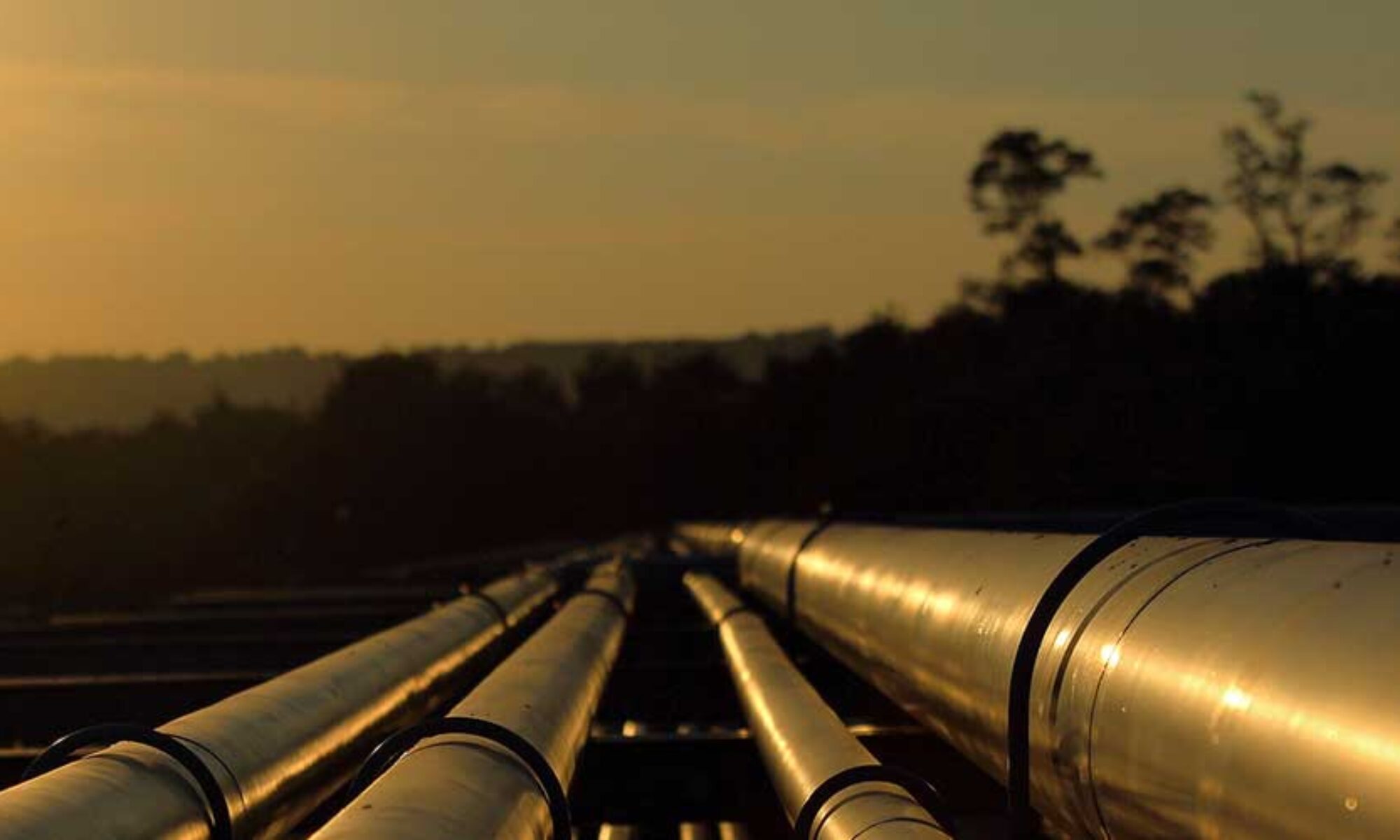
Leak Detection and Repair (LDAR) is a critical environmental, safety, and maintenance program used to identify and repair leaks of volatile organic compounds (VOCs), methane, natural gas, and other regulated or hazardous gases from industrial equipment. Leak Detection and Repair (LDAR): Protecting Industrial Facilities From Gas Leaks
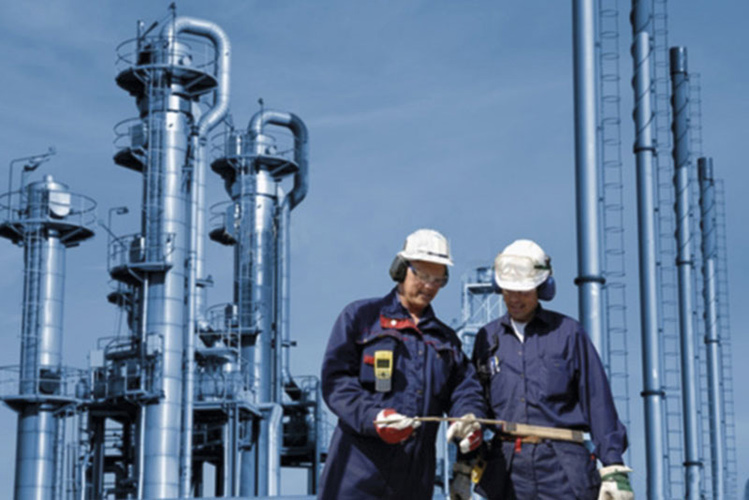
For facilities involved in natural gas processing, oil and gas production, petrochemical manufacturing, chemical processing, refining, and other industrial operations, an effective LDAR program can help reduce emissions, prevent product loss, support regulatory compliance, and identify equipment problems before they become larger issues.
What Is Leak Detection and Repair (LDAR)?
Leak Detection and Repair, commonly called LDAR, is a systematic process for finding, documenting, repairing, and verifying leaks from industrial equipment and components.
Potential leak sources can include:
- Valves
- Pumps
- Compressors
- Flanges
- Connectors
- Pressure relief devices
- Sampling connections
- Pipe fittings
- Storage equipment
- Process equipment
An LDAR program typically involves regularly inspecting designated components, identifying leaks, recording inspection results, repairing leaking equipment, and conducting follow-up inspections to confirm that repairs were successful.
Why Is LDAR Important?
Industrial facilities can contain thousands of components that handle gases, chemicals, hydrocarbons, and other process materials. Even a relatively small leak can release emissions into the atmosphere or result in lost product.
A comprehensive industrial leak detection program helps facilities identify these problems before they become more significant.
Effective LDAR programs can help facilities:
- Reduce fugitive emissions
- Minimize product loss
- Identify leaking equipment
- Improve environmental performance
- Support regulatory compliance
- Improve maintenance planning
- Reduce potential safety hazards
- Document inspection and repair activities
In addition, identifying leaks can provide valuable information about equipment condition and maintenance requirements.
How Does an LDAR Program Work?
A successful LDAR program generally follows a repeatable inspection and repair process.
1. Identify Components
The first step is determining which equipment and components are included in the facility’s LDAR program.
This may involve creating an equipment inventory containing valves, pumps, compressors, connectors, flanges, and other potential emission sources.
2. Inspect for Leaks
Technicians inspect components using appropriate gas leak detection technology.
Depending on the facility and inspection requirements, technologies can include:
- Optical Gas Imaging (OGI)
- Infrared gas imaging
- Portable gas detection instruments
- Other approved monitoring technologies
- Visual inspections and supporting measurement methods
The appropriate detection method depends on the type of gas, equipment, regulatory requirements, and objectives of the inspection.
3. Document Potential Leaks
When a leak is identified, the location and relevant equipment information should be documented.
Accurate records can help facilities track:
- Component identification
- Inspection date
- Leak detection results
- Gas or process material
- Repair status
- Repair date
- Follow-up inspection results
4. Repair the Leak
Once a leak has been identified, the facility can determine the appropriate corrective action.
Depending on the source, repairs may involve replacing seals, tightening connections, replacing valves or fittings, repairing equipment, or taking other appropriate maintenance measures.
5. Verify the Repair
After a repair is completed, follow-up monitoring can determine whether the leak has been successfully addressed.
This verification step is an important part of an effective Leak Detection and Repair program.
Optical Gas Imaging and LDAR
Optical Gas Imaging (OGI) has become an important technology for industrial leak detection.
OGI cameras use specialized infrared imaging technology to visualize certain gas emissions that cannot be seen with the human eye.
Instead of relying solely on point measurements, an inspector can use an OGI camera to scan equipment and visually identify gas plumes.
This can be particularly useful when inspecting large facilities containing extensive piping, valves, compressors, pumps, and processing equipment.
OGI can help inspectors quickly locate potential emission sources that may require additional investigation or measurement.
LDAR for Natural Gas and Methane
Natural gas facilities can benefit significantly from comprehensive leak detection programs.
Methane is the primary component of natural gas, and unintended emissions can occur at numerous points throughout production, processing, transmission, storage, and other operations.
Potential methane leak sources can include:
- Valves
- Compressor stations
- Pipe connections
- Pressure relief equipment
- Flanges
- Storage equipment
- Processing equipment
- Mechanical seals
Methane leak detection can help facilities identify fugitive emissions and prioritize equipment for maintenance or repair.
LDAR and VOC Emissions
LDAR programs are also commonly associated with controlling volatile organic compound (VOC) emissions.
VOC emissions can originate from equipment containing volatile chemicals or hydrocarbon products.
Identifying and repairing leaking components can reduce fugitive emissions and help facilities maintain their environmental performance.
Because regulatory requirements can vary depending on the facility, location, equipment, and applicable regulations, facilities should develop LDAR programs appropriate to their specific operations.
The Benefits of Professional Leak Detection
Professional leak detection services can provide facilities with specialized equipment, trained personnel, and systematic inspection procedures.
A professional inspection can help identify leaks that may otherwise be difficult to locate.
Experienced technicians understand that environmental conditions, equipment configuration, gas characteristics, background conditions, and inspection technology can all affect leak detection.
For complex facilities, professional industrial gas leak detection can provide an important layer of environmental monitoring and maintenance support.
What Industries Use LDAR?
LDAR programs can be important across a wide range of industries, including:
Oil and Gas
Production, processing, transmission, and storage facilities can use LDAR to identify fugitive methane and hydrocarbon emissions.
Natural Gas Processing
Gas processing plants contain extensive networks of valves, pipes, compressors, and other components where leaks can occur.
Petrochemical Facilities
Petrochemical operations may handle numerous volatile chemicals and hydrocarbons, making effective leak monitoring important.
Refineries
Refineries contain complex processing equipment and extensive piping systems that can require regular inspection.
Chemical Manufacturing
Chemical plants may use LDAR programs to monitor equipment containing VOCs and other process materials.
Industrial Manufacturing
Manufacturing facilities handling gases, solvents, and other volatile materials may also benefit from structured leak detection programs.
LDAR Is More Than Finding a Leak
A successful LDAR program is not simply about identifying a gas plume.
It is an ongoing process that connects inspection, documentation, repair, verification, and maintenance.
When these activities are properly coordinated, facilities can develop a better understanding of where leaks occur and which components may require additional attention.
Over time, LDAR data can also help facility managers identify recurring problems and improve preventive maintenance strategies.
Choosing the Right Leak Detection Technology
No single leak detection technology is appropriate for every application.
For example, OGI cameras can be highly effective for visualizing certain gas emissions and quickly locating potential leaks, while other instruments may provide quantitative concentration measurements.
The best approach depends on:
- The type of gas being monitored
- Facility configuration
- Equipment being inspected
- Environmental conditions
- Inspection objectives
- Applicable regulatory requirements
- Required documentation
- Facility-specific procedures
A combination of technologies may provide the most effective overall leak detection strategy.
Professional LDAR Services From Surveys & Analysis
Finding and repairing industrial gas leaks is an important part of responsible facility management.
Surveys & Analysis provides professional gas leak detection and inspection services designed to help industrial facilities identify potential emissions and locate equipment requiring further investigation or repair.
Using appropriate inspection technologies and experienced personnel, a comprehensive leak detection program can help facilities reduce fugitive emissions, minimize product loss, improve maintenance planning, and support their environmental objectives.
If your facility needs Leak Detection and Repair (LDAR), optical gas imaging, methane leak detection, natural gas leak detection, VOC leak detection, or industrial gas leak survey services, contact Surveys & Analysis to discuss your inspection requirements.
Take the Next Step
Don’t wait for a small gas leak to become a larger problem.
Contact Surveys & Analysis to learn more about professional LDAR and industrial gas leak detection services and determine how a comprehensive inspection program can benefit your facility.
Frequently Asked Questions About LDAR
What does LDAR stand for?
LDAR stands for Leak Detection and Repair. It is a systematic program for identifying, documenting, repairing, and verifying leaks from industrial equipment and components.
What equipment is included in an LDAR program?
Depending on the facility and applicable requirements, LDAR programs may include valves, pumps, compressors, connectors, flanges, pressure relief devices, sampling connections, and other equipment.
How are leaks detected during LDAR inspections?
Leak detection methods can include Optical Gas Imaging cameras, infrared imaging, portable gas detection instruments, and other appropriate monitoring technologies.
Can OGI be used for LDAR?
Yes. Optical Gas Imaging is an important tool for identifying certain gas emissions during LDAR inspections. OGI can allow trained inspectors to visually scan equipment and locate potential leak sources.
Why is methane leak detection important?
Methane is a major component of natural gas. Identifying methane emissions can help facilities reduce product loss, improve environmental performance, and address potential equipment problems.
How often should LDAR inspections be performed?
Inspection frequency depends on the facility, equipment, applicable regulations, and specific LDAR program requirements. Facilities should establish inspection schedules appropriate to their operations and regulatory obligations.
Primary SEO Keyword: Leak Detection and Repair LDAR
Secondary Keywords: LDAR, LDAR services, LDAR inspection, LDAR program, leak detection and repair, industrial leak detection, gas leak detection, natural gas leak detection, methane leak detection, VOC leak detection, fugitive emissions, optical gas imaging, OGI leak detection