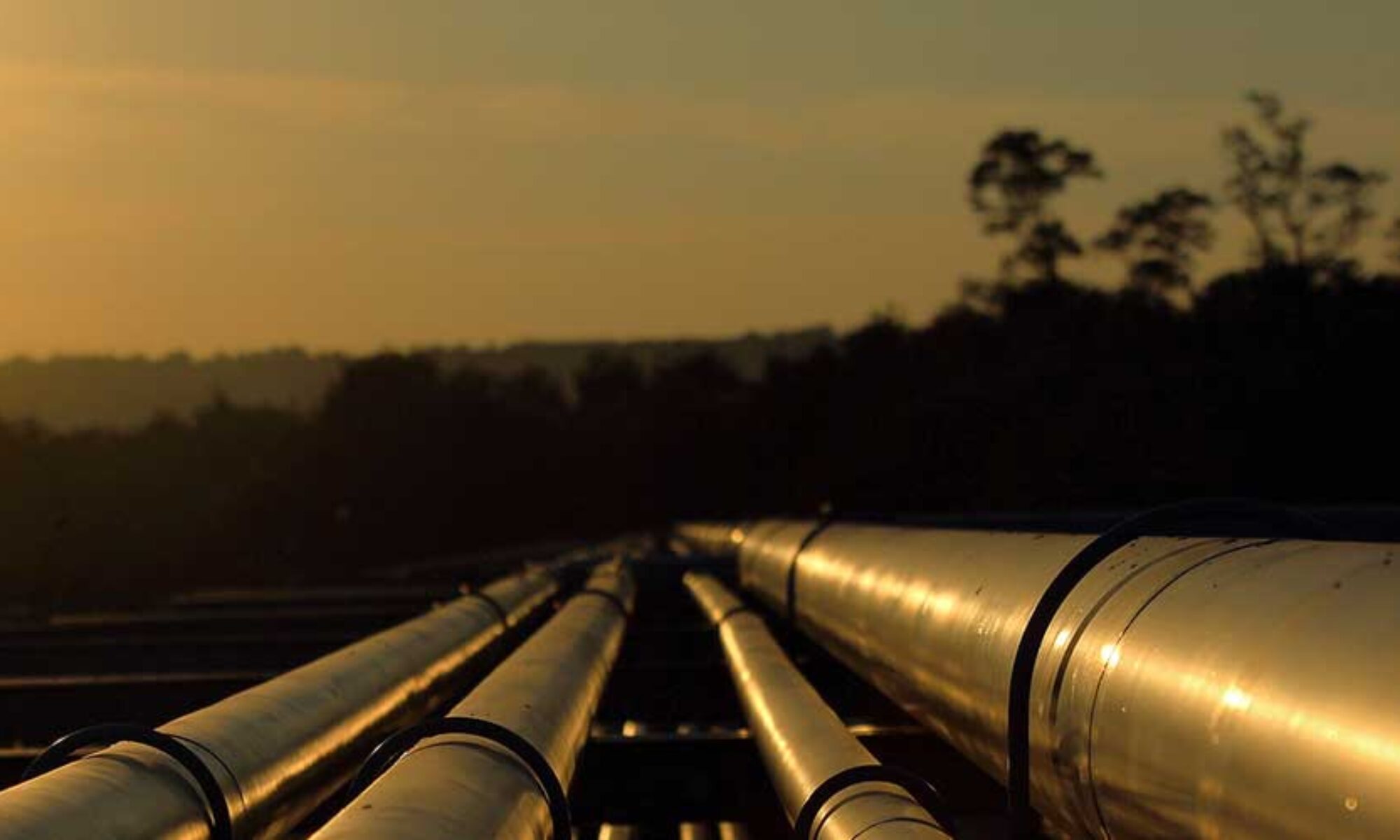
Leak Detection and Repair (LDAR): Protecting Industrial Facilities From Gas Leaks

Leak Detection and Repair (LDAR) is a critical environmental, safety, and maintenance program used to identify and repair leaks of volatile organic compounds (VOCs), methane, natural gas, and other regulated or hazardous gases from industrial equipment. Leak Detection and Repair (LDAR): Protecting Industrial Facilities From Gas Leaks
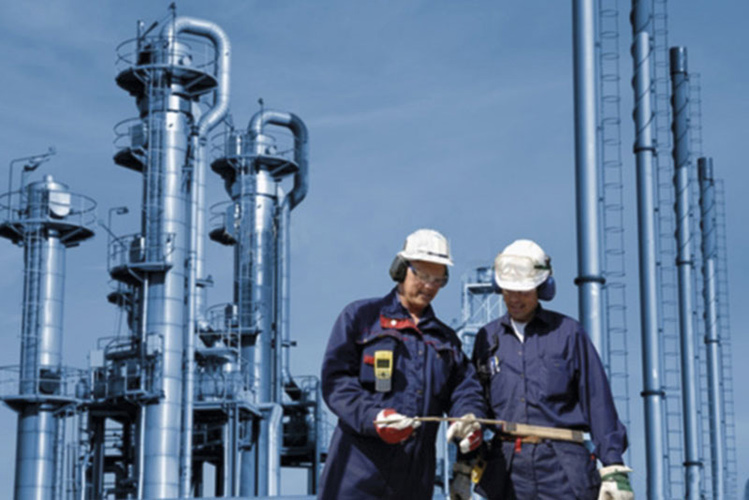
Leak Detection and Repair (LDAR): Protecting Industrial Facilities From Gas Leaks

For facilities involved in natural gas processing, oil and gas production, petrochemical manufacturing, chemical processing, refining, and other industrial operations, an effective LDAR program can help reduce emissions, prevent product loss, support regulatory compliance, and identify equipment problems before they become larger issues.

What Is Leak Detection and Repair (LDAR)?

Leak Detection and Repair, commonly called LDAR, is a systematic process for finding, documenting, repairing, and verifying leaks from industrial equipment and components.

Potential leak sources can include:

  • Valves
  • Pumps
  • Compressors
  • Flanges
  • Connectors
  • Pressure relief devices
  • Sampling connections
  • Pipe fittings
  • Storage equipment
  • Process equipment

An LDAR program typically involves regularly inspecting designated components, identifying leaks, recording inspection results, repairing leaking equipment, and conducting follow-up inspections to confirm that repairs were successful.

Why Is LDAR Important?

Industrial facilities can contain thousands of components that handle gases, chemicals, hydrocarbons, and other process materials. Even a relatively small leak can release emissions into the atmosphere or result in lost product.

A comprehensive industrial leak detection program helps facilities identify these problems before they become more significant.

Effective LDAR programs can help facilities:

  • Reduce fugitive emissions
  • Minimize product loss
  • Identify leaking equipment
  • Improve environmental performance
  • Support regulatory compliance
  • Improve maintenance planning
  • Reduce potential safety hazards
  • Document inspection and repair activities

In addition, identifying leaks can provide valuable information about equipment condition and maintenance requirements.

How Does an LDAR Program Work?

A successful LDAR program generally follows a repeatable inspection and repair process.

1. Identify Components

The first step is determining which equipment and components are included in the facility’s LDAR program.

This may involve creating an equipment inventory containing valves, pumps, compressors, connectors, flanges, and other potential emission sources.

2. Inspect for Leaks

Technicians inspect components using appropriate gas leak detection technology.

Depending on the facility and inspection requirements, technologies can include:

  • Optical Gas Imaging (OGI)
  • Infrared gas imaging
  • Portable gas detection instruments
  • Other approved monitoring technologies
  • Visual inspections and supporting measurement methods

The appropriate detection method depends on the type of gas, equipment, regulatory requirements, and objectives of the inspection.

3. Document Potential Leaks

When a leak is identified, the location and relevant equipment information should be documented.

Accurate records can help facilities track:

  • Component identification
  • Inspection date
  • Leak detection results
  • Gas or process material
  • Repair status
  • Repair date
  • Follow-up inspection results

4. Repair the Leak

Once a leak has been identified, the facility can determine the appropriate corrective action.

Depending on the source, repairs may involve replacing seals, tightening connections, replacing valves or fittings, repairing equipment, or taking other appropriate maintenance measures.

5. Verify the Repair

After a repair is completed, follow-up monitoring can determine whether the leak has been successfully addressed.

This verification step is an important part of an effective Leak Detection and Repair program.

Optical Gas Imaging and LDAR

Optical Gas Imaging (OGI) has become an important technology for industrial leak detection.

OGI cameras use specialized infrared imaging technology to visualize certain gas emissions that cannot be seen with the human eye.

Instead of relying solely on point measurements, an inspector can use an OGI camera to scan equipment and visually identify gas plumes.

This can be particularly useful when inspecting large facilities containing extensive piping, valves, compressors, pumps, and processing equipment.

OGI can help inspectors quickly locate potential emission sources that may require additional investigation or measurement.

LDAR for Natural Gas and Methane

Natural gas facilities can benefit significantly from comprehensive leak detection programs.

Methane is the primary component of natural gas, and unintended emissions can occur at numerous points throughout production, processing, transmission, storage, and other operations.

Potential methane leak sources can include:

  • Valves
  • Compressor stations
  • Pipe connections
  • Pressure relief equipment
  • Flanges
  • Storage equipment
  • Processing equipment
  • Mechanical seals

Methane leak detection can help facilities identify fugitive emissions and prioritize equipment for maintenance or repair.

LDAR and VOC Emissions

LDAR programs are also commonly associated with controlling volatile organic compound (VOC) emissions.

VOC emissions can originate from equipment containing volatile chemicals or hydrocarbon products.

Identifying and repairing leaking components can reduce fugitive emissions and help facilities maintain their environmental performance.

Because regulatory requirements can vary depending on the facility, location, equipment, and applicable regulations, facilities should develop LDAR programs appropriate to their specific operations.

The Benefits of Professional Leak Detection

Professional leak detection services can provide facilities with specialized equipment, trained personnel, and systematic inspection procedures.

A professional inspection can help identify leaks that may otherwise be difficult to locate.

Experienced technicians understand that environmental conditions, equipment configuration, gas characteristics, background conditions, and inspection technology can all affect leak detection.

For complex facilities, professional industrial gas leak detection can provide an important layer of environmental monitoring and maintenance support.

What Industries Use LDAR?

LDAR programs can be important across a wide range of industries, including:

Oil and Gas

Production, processing, transmission, and storage facilities can use LDAR to identify fugitive methane and hydrocarbon emissions.

Natural Gas Processing

Gas processing plants contain extensive networks of valves, pipes, compressors, and other components where leaks can occur.

Petrochemical Facilities

Petrochemical operations may handle numerous volatile chemicals and hydrocarbons, making effective leak monitoring important.

Refineries

Refineries contain complex processing equipment and extensive piping systems that can require regular inspection.

Chemical Manufacturing

Chemical plants may use LDAR programs to monitor equipment containing VOCs and other process materials.

Industrial Manufacturing

Manufacturing facilities handling gases, solvents, and other volatile materials may also benefit from structured leak detection programs.

LDAR Is More Than Finding a Leak

A successful LDAR program is not simply about identifying a gas plume.

It is an ongoing process that connects inspection, documentation, repair, verification, and maintenance.

When these activities are properly coordinated, facilities can develop a better understanding of where leaks occur and which components may require additional attention.

Over time, LDAR data can also help facility managers identify recurring problems and improve preventive maintenance strategies.

Choosing the Right Leak Detection Technology

No single leak detection technology is appropriate for every application.

For example, OGI cameras can be highly effective for visualizing certain gas emissions and quickly locating potential leaks, while other instruments may provide quantitative concentration measurements.

The best approach depends on:

  • The type of gas being monitored
  • Facility configuration
  • Equipment being inspected
  • Environmental conditions
  • Inspection objectives
  • Applicable regulatory requirements
  • Required documentation
  • Facility-specific procedures

A combination of technologies may provide the most effective overall leak detection strategy.

Professional LDAR Services From Surveys & Analysis

Finding and repairing industrial gas leaks is an important part of responsible facility management.

Surveys & Analysis provides professional gas leak detection and inspection services designed to help industrial facilities identify potential emissions and locate equipment requiring further investigation or repair.

Using appropriate inspection technologies and experienced personnel, a comprehensive leak detection program can help facilities reduce fugitive emissions, minimize product loss, improve maintenance planning, and support their environmental objectives.

If your facility needs Leak Detection and Repair (LDAR), optical gas imaging, methane leak detection, natural gas leak detection, VOC leak detection, or industrial gas leak survey services, contact Surveys & Analysis to discuss your inspection requirements.

Take the Next Step

Don’t wait for a small gas leak to become a larger problem.

Contact Surveys & Analysis to learn more about professional LDAR and industrial gas leak detection services and determine how a comprehensive inspection program can benefit your facility.


Frequently Asked Questions About LDAR

What does LDAR stand for?

LDAR stands for Leak Detection and Repair. It is a systematic program for identifying, documenting, repairing, and verifying leaks from industrial equipment and components.

What equipment is included in an LDAR program?

Depending on the facility and applicable requirements, LDAR programs may include valves, pumps, compressors, connectors, flanges, pressure relief devices, sampling connections, and other equipment.

How are leaks detected during LDAR inspections?

Leak detection methods can include Optical Gas Imaging cameras, infrared imaging, portable gas detection instruments, and other appropriate monitoring technologies.

Can OGI be used for LDAR?

Yes. Optical Gas Imaging is an important tool for identifying certain gas emissions during LDAR inspections. OGI can allow trained inspectors to visually scan equipment and locate potential leak sources.

Why is methane leak detection important?

Methane is a major component of natural gas. Identifying methane emissions can help facilities reduce product loss, improve environmental performance, and address potential equipment problems.

How often should LDAR inspections be performed?

Inspection frequency depends on the facility, equipment, applicable regulations, and specific LDAR program requirements. Facilities should establish inspection schedules appropriate to their operations and regulatory obligations.


Primary SEO Keyword: Leak Detection and Repair LDAR

Secondary Keywords: LDAR, LDAR services, LDAR inspection, LDAR program, leak detection and repair, industrial leak detection, gas leak detection, natural gas leak detection, methane leak detection, VOC leak detection, fugitive emissions, optical gas imaging, OGI leak detection
How Does Optical Gas Imaging Detect Leaks?

Optical Gas Imaging (OGI) is one of the most effective technologies for detecting invisible gas leaks in industrial facilities. Unlike traditional leak detection methods that rely on physical contact or handheld instruments, OGI cameras can visualize certain gas emissions from a safe distance, helping inspectors quickly identify leaks in equipment, piping, valves, flanges, and other components.

How Does Optical Gas Imaging Detect Leaks?

For facilities where natural gas, methane, hydrocarbons, or volatile organic compounds (VOCs) may be present, optical gas imaging can provide an important tool for finding leaks before they become larger operational, environmental, or safety concerns.

What Is Optical Gas Imaging?

Optical Gas Imaging is an advanced gas leak detection technology that uses specialized infrared cameras to visualize gases that may otherwise be invisible to the human eye.

An OGI camera is designed to detect specific infrared absorption characteristics associated with particular gases. When gas escapes from equipment, the camera can display the emission as a visible plume against the background scene.

This allows trained inspectors to locate potential leaks without necessarily needing to physically touch the equipment or place a sensor directly at the leak source.

OGI technology is commonly used in industries such as:

  • Natural gas processing
  • Oil and gas production
  • Petrochemical facilities
  • Refineries
  • Chemical manufacturing
  • Power generation
  • Industrial manufacturing
  • Gas transmission and distribution
  • Storage and processing facilities

How Does Optical Gas Imaging Detect Leaks?

So, how does optical gas imaging detect leaks?

The process begins with a specialized infrared camera capable of detecting the infrared wavelengths associated with a target gas.

When a gas escapes from a pipe, valve, flange, tank, compressor, or other component, the gas can interact with infrared radiation in a way that produces a detectable difference between the gas plume and the surrounding background.

The OGI camera processes these differences and presents the gas emission visually on the camera’s display.

1. The Camera Scans Equipment

A trained inspector uses the OGI camera to scan equipment and components where leaks may occur.

This can include:

  • Valves
  • Flanges
  • Pipe connections
  • Pumps
  • Compressors
  • Pressure relief devices
  • Storage tanks
  • Gas processing equipment
  • Fittings
  • Seals and gaskets

2. The Camera Detects Infrared Differences

Certain gases absorb infrared radiation at specific wavelengths.

An OGI camera is engineered to detect these characteristics. When the camera observes a gas plume, the infrared energy reaching the detector changes.

The camera converts these changes into a visual image.

3. The Gas Plume Becomes Visible

One of the major advantages of OGI is that it can make an otherwise invisible gas emission appear as a moving plume on the screen.

This can help inspectors determine:

  • Whether a leak may be present
  • Where the emission is coming from
  • How the gas is moving
  • Whether the emission appears intermittent or continuous
  • Which component may require further investigation

4. Inspectors Identify and Document the Source

Once an apparent leak is identified, trained personnel can document the location and collect additional information.

Depending on the inspection program, the finding may then be followed by conventional leak measurement, repair, verification, or additional testing.

Why Is Optical Gas Imaging Useful for Leak Detection?

Traditional leak detection methods can require inspectors to test individual components one at a time.

OGI provides a different approach because inspectors can visually scan larger areas and multiple components from a distance.

This can make OGI particularly valuable in complex industrial environments.

Faster Inspection of Large Areas

An OGI camera can allow an inspector to scan equipment and surrounding areas without physically testing every component individually.

This can improve the efficiency of leak surveys, particularly at large facilities with extensive piping and processing equipment.

Detects Invisible Gas Emissions

Many industrial gases are invisible.

An OGI camera can provide a visual representation of certain gas emissions, making it easier for inspectors to locate potential leak sources.

Remote Inspection

Because OGI inspections can often be performed from a distance, inspectors may be able to examine equipment without directly approaching every component.

This can be especially useful around difficult-to-access equipment or areas where minimizing exposure is important.

Helps Find Hard-to-Locate Leaks

Gas can travel away from the actual leak source.

A visible gas plume can provide important clues about where an emission originates, potentially helping inspectors trace the plume back to the suspected source.

What Types of Gas Can Optical Gas Imaging Detect?

OGI cameras are designed for specific gases or groups of gases depending on the camera technology and filter configuration.

Depending on the equipment being used, OGI may be capable of detecting gases such as:

  • Methane
  • Natural gas
  • Hydrocarbons
  • Volatile organic compounds (VOCs)
  • Refrigerants
  • Other gases with appropriate infrared absorption characteristics

Not every OGI camera can detect every gas. The camera must be appropriate for the specific gas being investigated, and detection performance can depend on environmental and operating conditions.

Optical Gas Imaging vs. Traditional Leak Detection

OGI and conventional leak detection instruments can serve different purposes.

Traditional instruments may provide quantitative measurements of gas concentration at a particular location. OGI, on the other hand, provides a visual method for identifying and locating emissions.

For this reason, OGI and conventional leak detection can complement one another.

A facility may use OGI to rapidly locate a suspected leak and then use additional measurement technology to characterize or quantify the emission.

This combination can provide a more complete approach to industrial leak detection.

What Factors Can Affect OGI Leak Detection?

Although OGI is a powerful technology, it is not simply a matter of pointing a camera at equipment.

Several environmental and operational factors can influence the ability of an OGI camera to detect a gas plume.

Wind

Wind can disperse or redirect a gas plume, making the emission more difficult to visualize and potentially moving the apparent plume away from its source.

Temperature

Temperature differences between the gas, equipment, and surrounding background can influence image contrast and detection performance.

Background

The background behind the potential gas plume can affect how easily the camera can distinguish the emission.

Distance

The distance between the camera and the suspected leak can influence detection capability.

Gas Concentration and Flow

Very small emissions or rapidly dispersing gas may be more difficult to visualize than larger or more concentrated releases.

Inspector Experience

Proper OGI inspection requires training and experience. Understanding how gas behaves around industrial equipment and interpreting what appears on the camera display are important parts of effective inspection.

Is Optical Gas Imaging Better Than Other Leak Detection Methods?

There isn’t necessarily one leak detection technology that is best for every situation.

Instead, the appropriate method depends on the facility, equipment, gas, inspection requirements, and purpose of the survey.

OGI can be especially valuable when the goal is to quickly locate potential gas emissions across a large or complex facility.

Other technologies may be better suited for measuring exact concentrations or quantifying emissions.

For many industrial applications, a combination of technologies can provide the most comprehensive results.

Why Professional OGI Leak Detection Matters

Industrial gas leak detection is more than simply locating a plume on a camera.

Professional inspectors understand how to evaluate equipment, environmental conditions, camera positioning, gas behavior, and potential sources of emissions.

A professional optical gas imaging survey can help facilities:

  • Identify potential leaks
  • Locate difficult-to-find emissions
  • Prioritize equipment for maintenance
  • Support leak detection and repair programs
  • Reduce unnecessary gas loss
  • Improve environmental monitoring
  • Document inspection findings
  • Improve facility safety awareness

Early identification can also help prevent a small equipment problem from developing into a larger operational issue.

Optical Gas Imaging for Natural Gas and Industrial Facilities

Facilities handling natural gas and other hydrocarbon products can benefit from routine leak detection inspections.

Potential leak sources can exist throughout a facility, including valves, pipe connections, compressors, pumps, flanges, storage equipment, and other components.

Optical Gas Imaging provides inspectors with a way to visually search for certain gas emissions and identify areas that warrant further investigation.

For facilities with extensive equipment and piping networks, this ability to rapidly survey multiple components can make OGI an important part of an overall leak detection strategy.

Frequently Asked Questions About Optical Gas Imaging

What is Optical Gas Imaging?

Optical Gas Imaging is a specialized infrared imaging technology used to visualize certain gases that are otherwise invisible to the human eye.

Can OGI cameras detect natural gas leaks?

Yes. Specialized OGI cameras can be used to detect and visualize methane and other components commonly associated with natural gas, depending on the camera’s specifications and inspection conditions.

Can an OGI camera see every gas leak?

No. OGI cameras are designed to detect specific gases and may not detect every type or concentration of gas release. Environmental conditions and equipment specifications also affect detection.

How far away can an OGI camera detect a leak?

Detection distance depends on the camera, gas, leak characteristics, atmospheric conditions, background, and other factors. Professional inspectors determine appropriate viewing distances for the inspection.

Is OGI leak detection safe?

OGI can allow inspectors to identify potential emissions remotely, which may reduce the need to approach certain equipment. However, industrial gas detection should always be performed by appropriately trained personnel following applicable safety procedures.

Does OGI measure the amount of gas being released?

OGI is primarily a visualization and leak-location technology. Additional measurement methods may be required to quantify the emission rate or gas concentration.

Schedule Professional Optical Gas Imaging Leak Detection

Finding gas leaks early can help industrial facilities improve maintenance, reduce product loss, and address potential environmental and safety concerns.

Optical Gas Imaging provides a powerful way to visualize certain invisible gas emissions and locate potential leaks that might otherwise be difficult to identify.

If your facility requires optical gas imaging, industrial gas leak detection, natural gas leak detection, or professional leak survey services, Surveys & Analysis can help evaluate your inspection needs and determine an appropriate approach.

Contact Surveys & Analysis today to discuss your gas leak detection requirements and learn how Optical Gas Imaging can support your facility’s inspection program.

Related Services

  • Optical Gas Imaging (OGI) Leak Detection
  • Natural Gas Leak Detection
  • Industrial Gas Leak Surveys
  • Methane Leak Detection
  • VOC Leak Detection
  • Leak Detection and Repair (LDAR)
  • Industrial Inspection Services

Industrial Gas Leak Detection: How LDAR Surveys Find Methane and Fugitive Emissions

Industrial facilities, natural gas processing plants, refineries, compressor stations, pipelines, and other energy operations can experience gas leaks that are difficult to see, locate, and measure.

A small leak from a valve, flange, connector, compressor, pressure relief device, or other component may not be obvious during normal operations. Over time, however, fugitive emissions can result in product loss, increased environmental emissions, potential safety concerns, and costly operational problems.

Professional industrial gas leak detection and Leak Detection and Repair (LDAR) surveys provide a systematic way to identify potential leaks, document findings, and prioritize repairs.

Industrial Gas Leak Detection: How LDAR Surveys Find Methane and Fugitive Emissions

What Is Industrial Gas Leak Detection?

Industrial gas leak detection is the process of identifying unintended releases of gases from equipment, piping, valves, tanks, compressors, and other components within an industrial facility.

Depending on the facility and the gases being monitored, leak detection may involve technologies such as optical gas imaging (OGI), methane detection instruments, gas analyzers, infrared cameras, and other specialized monitoring equipment.

The goal isn’t simply to determine whether a leak exists. A professional survey can help identify where the leak is occurring, what equipment is involved, and which leaks should receive priority for repair.

What Is an LDAR Survey?

LDAR stands for Leak Detection and Repair.

An LDAR program provides a systematic process for finding leaks from equipment and components that handle gases or volatile compounds. The process generally involves:

  1. Identifying equipment and components that need to be monitored
  2. Surveying those components using appropriate detection technology
  3. Documenting identified leaks
  4. Determining which leaks require repair
  5. Completing repairs
  6. Conducting follow-up monitoring when required
  7. Maintaining records of inspections and repairs

LDAR programs are widely used throughout oil and gas and other industrial operations as part of fugitive emissions management.

Why Is Methane Leak Detection Important?

Methane is the primary component of natural gas, making methane detection an important part of monitoring natural gas infrastructure.

A leak may be too small to see or hear during a routine inspection. Specialized gas detection technologies can provide a much more effective method for identifying potential releases.

Methane leak detection can help facilities:

  • Identify fugitive emissions
  • Locate leaks that aren’t visible to the naked eye
  • Reduce product loss
  • Improve facility monitoring
  • Prioritize maintenance activities
  • Support environmental reporting
  • Improve operational awareness
  • Reduce the potential impact of equipment leaks

The importance of systematic monitoring is illustrated by industry LDAR data. For example, California’s reported LDAR surveys have identified thousands of leaks across millions of surveyed components, demonstrating why comprehensive inspections can uncover leaks that might otherwise go unnoticed.

Where Can Industrial Gas Leaks Occur?

Gas leaks can occur throughout an industrial facility.

Common sources include:

Valves

Valves are frequently used throughout processing and transportation systems. Seals, packing, and other components can develop leaks over time.

Flanges and Connections

Flanged connections and other mechanical joints can become potential sources of fugitive emissions.

Compressors

Compressors operate under demanding conditions and can contain multiple components that should be included in an appropriate inspection program.

Pressure Relief Devices

Pressure relief equipment and associated connections may require monitoring as part of an LDAR program.

Pumps

Depending on the process and equipment configuration, pumps can represent another potential source of fugitive emissions.

Piping and Pipeline Components

Large industrial facilities can contain extensive networks of piping and connections. Systematic surveying helps inspectors identify potential problem areas throughout the facility.

How Does Optical Gas Imaging Detect Leaks?

One of the technologies used for industrial gas leak detection is Optical Gas Imaging (OGI).

OGI cameras can make certain gas emissions visible to an inspector by using specialized infrared imaging technology. This allows trained personnel to scan equipment and identify gas plumes that may otherwise be invisible.

Research has demonstrated the use of optical gas imaging for natural gas leak detection across production, gathering, transmission, and distribution systems.

The ability to survey multiple components efficiently can make OGI an important tool within a broader leak detection and repair program.

OGI vs. Traditional Gas Leak Detection

Traditional leak detection methods can involve checking individual components with handheld instruments.

These instruments remain valuable for many applications, but optical gas imaging offers an important advantage: inspectors can visually scan an area and observe potential emissions remotely.

A professional survey may use multiple technologies depending on the facility, equipment, environmental conditions, and objectives of the inspection.

The right approach isn’t necessarily about choosing one technology over another. In many situations, combining detection methods provides a more comprehensive assessment.

What Are Fugitive Emissions?

Fugitive emissions are unintended releases of gases or vapors from equipment and components.

Unlike a planned release from a designated vent or flare, fugitive emissions can originate from equipment such as:

  • Valves
  • Flanges
  • Pumps
  • Compressors
  • Connectors
  • Pressure relief devices
  • Piping
  • Tanks
  • Other process equipment

Finding these emissions is an important first step toward reducing them.

Why Professional Gas Leak Surveys Matter

Industrial facilities can contain thousands of components spread across a large area.

Trying to locate every potential leak through informal observation can be inefficient and may leave difficult-to-access equipment unchecked.

A professional industrial gas leak survey can provide a structured approach to identifying potential emissions.

A comprehensive survey can help facility personnel understand:

Where is the leak?

Identifying the location allows maintenance personnel to investigate the appropriate equipment.

What equipment is involved?

Documenting the affected component helps create a useful maintenance record.

How serious is the problem?

Depending on the technology used, additional measurements may help facilities prioritize potential leaks.

What should happen next?

The results of an inspection can help facility personnel determine which findings require additional investigation, repair, monitoring, or documentation.

Gas Leak Detection Can Help Reduce Product Loss

A gas leak isn’t only an environmental or safety concern. It can also represent lost product.

For facilities handling valuable natural gas or other process gases, even relatively small leaks can accumulate over time.

Professional leak detection can help identify sources of product loss so that facility operators can investigate and correct problems.

This makes leak detection relevant not only to environmental departments but also to:

  • Plant managers
  • Operations managers
  • Maintenance departments
  • EHS professionals
  • Environmental managers
  • Reliability engineers
  • Facility managers
  • Process engineers

When Should an Industrial Facility Conduct a Gas Leak Survey?

The appropriate inspection schedule depends on the facility, equipment, applicable requirements, and the objectives of the monitoring program.

Facilities may conduct surveys as part of:

  • Routine LDAR programs
  • Environmental monitoring
  • Preventive maintenance
  • Equipment commissioning
  • Troubleshooting
  • Process investigations
  • Compliance activities
  • Follow-up inspections
  • Leak repair verification

Facilities experiencing unexplained product loss, unusual odors, equipment problems, or suspected fugitive emissions may also benefit from professional investigation.

What Should an Industrial Gas Leak Detection Report Include?

Documentation is an important part of a professional inspection.

Depending on the scope of the project, a gas leak detection report may include:

  • Date of inspection
  • Facility information
  • Equipment or component identification
  • Location of identified leaks
  • Detection method
  • Images or video
  • Measurements where applicable
  • Leak classification or prioritization
  • Recommended follow-up
  • Repair status
  • Reinspection information

Good documentation allows facility personnel to turn inspection results into actionable maintenance information.

Choosing an Industrial Gas Leak Detection Company

When selecting a company for an industrial gas leak detection or LDAR survey, ask about the company’s experience with your type of facility and the gases and equipment being monitored.

Important considerations include:

  • Experience with industrial facilities
  • Experience with natural gas and methane detection
  • LDAR experience
  • Appropriate detection technology
  • Ability to document findings
  • Experience working around operating facilities
  • Reporting capabilities
  • Understanding of environmental monitoring requirements
  • Ability to coordinate with facility personnel

A qualified inspection provider should understand that every industrial facility is different and that the survey approach should be appropriate for the specific site.

Professional Industrial Gas Leak Detection and LDAR Surveys

Finding a gas leak is only the first step.

The most useful inspection programs provide facility operators with actionable information that helps them identify problem equipment, prioritize repairs, document findings, and reduce fugitive emissions.

Surveys & Analysis provides professional industrial inspection and gas leak detection services designed to help facilities identify potential leaks and better understand their equipment and emissions.

Whether you operate a natural gas processing facility, industrial plant, pipeline, compressor station, or other energy-related operation, a professional gas leak detection survey can provide valuable information that routine visual inspections may not reveal.

Contact Surveys & Analysis to discuss your industrial gas leak detection, methane detection, or LDAR survey requirements.

Frequently Asked Questions

What is industrial gas leak detection?

Industrial gas leak detection is the process of identifying unintended gas releases from industrial equipment, piping, valves, connectors, compressors, tanks, and other components.

What does LDAR stand for?

LDAR stands for Leak Detection and Repair. It is a systematic approach to identifying equipment leaks, documenting them, repairing applicable leaks, and conducting follow-up monitoring.

What is methane leak detection?

Methane leak detection involves using specialized equipment and techniques to identify releases of methane, which is the primary component of natural gas.

What is optical gas imaging?

Optical Gas Imaging, or OGI, uses specialized infrared imaging technology to help trained inspectors identify certain gas emissions that cannot normally be seen with the human eye.

Why are fugitive emissions important?

Fugitive emissions can represent lost product and contribute to environmental emissions. Identifying and repairing leaks can help facilities improve operational and environmental performance.

How often should an LDAR survey be performed?

The appropriate frequency depends on the facility, equipment, applicable requirements, and the specific LDAR program. Facilities should evaluate their inspection requirements with qualified environmental and compliance professionals.

Who needs industrial gas leak detection?

Natural gas processing plants, oil and gas facilities, pipelines, compressor stations, refineries, chemical plants, and other industrial operations may benefit from professional gas leak detection and fugitive emissions surveys.

Looking for Industrial Gas Leak Detection Services?

If your facility needs professional industrial gas leak detection, methane leak detection, fugitive emissions monitoring, or LDAR survey services, Surveys & Analysis can help.

Contact us to discuss your facility, inspection requirements, and survey objectives.

The Importance of Professional Gas Leak Detection in Natural Gas Processing Plants

The Importance of Professional Gas Leak Detection in Natural Gas Processing Plants

The Importance of Professional Gas Leak Detection in Natural Gas Processing Plants. Natural gas is one of the safest and most efficient energy sources when contained within Protecting Safety, Efficiency, and Environmental Compliance with Advanced Gas Leak Detection

Natural gas processing plants are critical components of the energy industry, transforming raw natural gas into valuable products used by homes, businesses, and industries around the world. Because these facilities handle highly combustible materials under high pressure and complex operating conditions, professional gas leak detection is essential for protecting workers, equipment, the environment, and overall plant operations.

Even a small natural gas leak can create significant safety hazards, operational disruptions, and regulatory concerns. The Importance of Professional Gas Leak Detection in Natural Gas Processing Plants. Investing in advanced gas leak detection services helps processing facilities identify problems early, reduce risks, and maintain safe and efficient operations.

At Surveys & Analysis, professional inspection and detection solutions help natural gas facilities locate potential leaks, evaluate equipment conditions, and improve overall safety performance.

Why Gas Leak Detection Is Critical in Natural Gas Processing Plants

Natural gas processing plants contain miles of pipelines, valves, compressors, storage systems, and processing equipment. Over time, components can develop leaks due to corrosion, vibration, mechanical failure, aging equipment, or improper maintenance.

A professional gas leak detection program helps identify issues before they become dangerous incidents.

Key benefits include:

  • Improved worker safety
  • Reduced risk of fires and explosions
  • Prevention of costly equipment failures
  • Lower product losses
  • Improved environmental compliance
  • Increased operational reliability

Early detection allows plant operators to address problems quickly instead of reacting after a serious failure occurs.

The Safety Risks of Undetected Gas Leaks

Natural gas is highly combustible, and leaks in processing environments can create dangerous conditions. When gas accumulates in enclosed or poorly ventilated areas, even a small ignition source can result in a fire or explosion.

Potential hazards include:

  • Employee exposure to unsafe gas concentrations
  • Equipment damage
  • Production shutdowns
  • Emergency response situations
  • Environmental releases
  • Regulatory penalties

Professional leak detection provides facility operators with accurate information about where leaks exist and how serious they may be.

Common Sources of Natural Gas Leaks in Processing Facilities

Gas leaks can occur throughout a processing plant, including:

Pipelines and Connections

Pipeline connections, flanges, fittings, and joints are common areas where leaks may develop. Routine inspection helps identify issues caused by wear, pressure changes, or material deterioration.

Valves and Seals

Valves are essential for controlling gas flow but can become leak points due to damaged seals, corrosion, or mechanical wear.

Compressors and Processing Equipment

Compressors operate under intense pressure and vibration, making regular inspection important for detecting leaks before equipment failures occur.

Storage and Transfer Systems

Loading areas, tanks, and transfer equipment require monitoring to prevent accidental releases during storage and transportation operations.

Advanced Technology for Accurate Gas Leak Detection

Modern gas leak detection methods provide faster and more accurate results than traditional inspection techniques. Professional surveys may use advanced technologies such as:

Optical Gas Imaging (OGI)

Optical gas imaging cameras allow technicians to visualize invisible gas emissions and quickly identify leak locations. This technology is especially valuable for large processing facilities where traditional inspection methods may be time-consuming.

Infrared Detection

Infrared technology helps detect gas emissions by identifying temperature differences and gas signatures that may not be visible to the human eye.

Ultrasonic Leak Detection

Ultrasonic equipment can detect the high-frequency sounds created by pressurized gas escaping from equipment, helping locate leaks in difficult-to-access areas.

Portable Gas Monitoring Equipment

Handheld detection tools allow inspectors to measure gas concentrations and verify potential leak sources.

Benefits of Professional Gas Leak Surveys

A professional gas leak survey provides more than just leak identification. It gives facility managers valuable data to improve maintenance planning and operational efficiency.

Benefits include:

Reducing Energy Loss

Undetected leaks can result in significant product loss over time. Finding and repairing leaks helps facilities conserve valuable natural gas resources.

Improving Regulatory Compliance

Natural gas facilities must meet strict safety and environmental standards. Regular professional inspections support compliance efforts and demonstrate a commitment to responsible operations.

Preventing Unplanned Downtime

Equipment failures caused by leaks can lead to expensive shutdowns. Identifying issues early allows maintenance teams to schedule repairs before major disruptions occur.

Protecting the Environment

Reducing methane emissions is an important environmental goal. Leak detection programs help facilities minimize unnecessary releases and improve sustainability performance.

Why Choose Professional Gas Leak Detection Services?

While internal inspections are valuable, professional gas leak detection specialists bring specialized equipment, training, and experience needed for complex industrial environments.

Professional services provide:

  • Experienced inspection technicians
  • Advanced detection technology
  • Detailed reporting and documentation
  • Accurate leak location identification
  • Recommendations for corrective action

A qualified inspection partner can help natural gas processing plants develop proactive maintenance strategies that improve safety and efficiency.

How Often Should Natural Gas Processing Plants Perform Leak Detection?

The frequency of gas leak inspections depends on factors such as:

  • Facility size
  • Equipment type
  • Operating conditions
  • Regulatory requirements
  • Previous leak history

Many facilities benefit from routine monitoring combined with scheduled professional surveys to identify developing problems before they become serious hazards.

Strengthen Your Natural Gas Facility Safety Program

Gas leak detection is a vital part of maintaining a safe, reliable, and environmentally responsible natural gas processing plant. By identifying leaks early, facilities can protect employees, reduce operating costs, improve compliance, and prevent unexpected failures.

Professional gas leak detection services provide the expertise and technology needed to keep critical energy infrastructure operating safely.

Surveys & Analysis helps industrial facilities improve safety and reliability through professional inspection and detection solutions. Contact us today to learn how advanced gas leak detection services can support your facility’s safety goals.

Professional Gas Leak Detection Services

Natural gas is one of the safest and most efficient energy sources when contained within properly maintained infrastructure. However, even a small underground gas leak can pose serious risks to people, businesses, and property. That’s why fast, accurate gas leak detection is critical.

Professional Gas Leak Detection Services

At Survey & Analysis, we provide professional gas leak detection services using advanced locating technology that helps utility companies, municipalities, contractors, facility managers, and property owners quickly identify underground leaks before they become costly emergencies.

Whether you’re responding to a suspected leak or conducting preventative inspections, our experienced team delivers reliable results you can trust.


Why Gas Leak Detection Matters

Undetected gas leaks can lead to:

  • Fire and explosion hazards
  • Environmental damage
  • Expensive emergency repairs
  • Utility service interruptions
  • Safety risks for employees and the public
  • Regulatory compliance issues

Finding a leak early can significantly reduce repair costs while helping protect lives and critical infrastructure.


Signs You May Have a Gas Leak

Professional gas leak detection should be performed immediately if you notice:

  • The smell of sulfur or rotten eggs
  • Hissing sounds near gas lines
  • Dead or discolored vegetation above buried utilities
  • Unexpected increases in gas usage
  • Low gas pressure
  • Bubbles in standing water near pipelines
  • Reports from utility monitoring systems

Even if no obvious signs are present, routine inspections are recommended for aging infrastructure and high-risk facilities.


Advanced Underground Gas Leak Detection

Survey & Analysis utilizes modern locating equipment designed to accurately identify underground gas leaks while minimizing unnecessary excavation.

Our services help locate:

  • Underground natural gas leaks
  • Distribution line leaks
  • Service line leaks
  • Commercial gas infrastructure
  • Industrial gas systems
  • Municipal utility networks

Accurate detection means repairs can begin faster with less disruption to surrounding property.


Who Benefits from Gas Leak Detection Services?

Our services support a wide variety of industries, including:

  • Utility companies
  • Municipalities
  • Engineering firms
  • Construction companies
  • Commercial property owners
  • Industrial facilities
  • Facility maintenance departments
  • Pipeline contractors
  • Public works departments

No matter the project size, accurate utility mapping and leak detection improve safety and efficiency.


Why Choose Survey & Analysis?

Our team combines technical expertise with advanced equipment to provide dependable results for every project.

We focus on:

  • Accurate underground utility locating
  • Fast response times
  • Non-destructive investigation methods
  • Experienced field technicians
  • Detailed reporting
  • Safety-focused operations
  • Reliable project support

We understand that every minute counts when dealing with potential gas leaks.


Preventative Inspections Reduce Future Problems

Many gas leaks begin as small defects that worsen over time.

Routine inspections can help:

  • Detect leaks before failures occur
  • Extend infrastructure life
  • Reduce emergency repair costs
  • Improve public safety
  • Support regulatory compliance
  • Protect valuable assets

Preventative maintenance is often significantly less expensive than emergency response.


Serving Commercial, Municipal, and Utility Clients

Survey & Analysis partners with organizations that require dependable underground utility services. Whether you’re planning infrastructure improvements or responding to an emergency, our gas leak detection services help keep projects moving safely and efficiently.


Contact Survey & Analysis Today

If you suspect a gas leak or need professional underground gas leak detection services, trust the experienced team at Survey & Analysis.

Our advanced technology, knowledgeable technicians, and commitment to accuracy help you locate underground gas leaks quickly while minimizing disruption and protecting people, property, and infrastructure.

Contact Survey & Analysis today to learn more about our professional gas leak detection services or request a consultation.


Frequently Asked Questions

How is an underground gas leak detected?

Professional technicians use specialized electronic detection equipment and underground utility locating technology to accurately identify the location of gas leaks without unnecessary excavation.

How quickly should a suspected gas leak be investigated?

Immediately. Suspected gas leaks should always be treated as emergencies. If you suspect a gas leak, follow local emergency procedures and contact your utility provider before scheduling additional inspection services.

Can underground gas leaks be found without digging?

Yes. Modern leak detection equipment often allows technicians to pinpoint leak locations before excavation begins, reducing disruption and repair costs.

What industries use gas leak detection services?

Utilities, municipalities, engineering firms, contractors, industrial facilities, commercial property owners, and public works departments all benefit from professional gas leak detection.