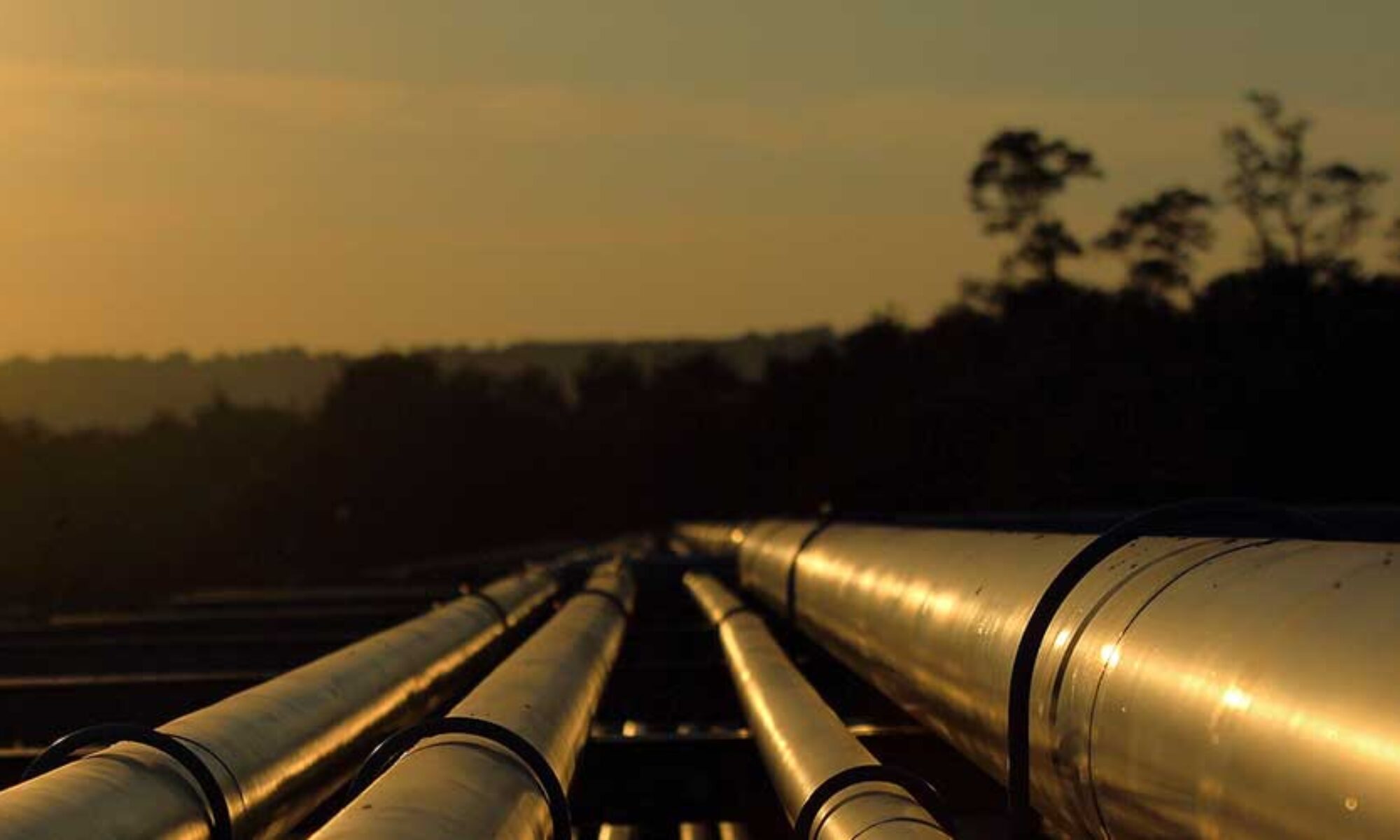
Industrial facilities, natural gas processing plants, refineries, compressor stations, pipelines, and other energy operations can experience gas leaks that are difficult to see, locate, and measure.
A small leak from a valve, flange, connector, compressor, pressure relief device, or other component may not be obvious during normal operations. Over time, however, fugitive emissions can result in product loss, increased environmental emissions, potential safety concerns, and costly operational problems.
Professional industrial gas leak detection and Leak Detection and Repair (LDAR) surveys provide a systematic way to identify potential leaks, document findings, and prioritize repairs.
What Is Industrial Gas Leak Detection?
Industrial gas leak detection is the process of identifying unintended releases of gases from equipment, piping, valves, tanks, compressors, and other components within an industrial facility.
Depending on the facility and the gases being monitored, leak detection may involve technologies such as optical gas imaging (OGI), methane detection instruments, gas analyzers, infrared cameras, and other specialized monitoring equipment.
The goal isn’t simply to determine whether a leak exists. A professional survey can help identify where the leak is occurring, what equipment is involved, and which leaks should receive priority for repair.
What Is an LDAR Survey?
LDAR stands for Leak Detection and Repair.
An LDAR program provides a systematic process for finding leaks from equipment and components that handle gases or volatile compounds. The process generally involves:
- Identifying equipment and components that need to be monitored
- Surveying those components using appropriate detection technology
- Documenting identified leaks
- Determining which leaks require repair
- Completing repairs
- Conducting follow-up monitoring when required
- Maintaining records of inspections and repairs
LDAR programs are widely used throughout oil and gas and other industrial operations as part of fugitive emissions management.
Why Is Methane Leak Detection Important?
Methane is the primary component of natural gas, making methane detection an important part of monitoring natural gas infrastructure.
A leak may be too small to see or hear during a routine inspection. Specialized gas detection technologies can provide a much more effective method for identifying potential releases.
Methane leak detection can help facilities:
- Identify fugitive emissions
- Locate leaks that aren’t visible to the naked eye
- Reduce product loss
- Improve facility monitoring
- Prioritize maintenance activities
- Support environmental reporting
- Improve operational awareness
- Reduce the potential impact of equipment leaks
The importance of systematic monitoring is illustrated by industry LDAR data. For example, California’s reported LDAR surveys have identified thousands of leaks across millions of surveyed components, demonstrating why comprehensive inspections can uncover leaks that might otherwise go unnoticed.
Where Can Industrial Gas Leaks Occur?
Gas leaks can occur throughout an industrial facility.
Common sources include:
Valves
Valves are frequently used throughout processing and transportation systems. Seals, packing, and other components can develop leaks over time.
Flanges and Connections
Flanged connections and other mechanical joints can become potential sources of fugitive emissions.
Compressors
Compressors operate under demanding conditions and can contain multiple components that should be included in an appropriate inspection program.
Pressure Relief Devices
Pressure relief equipment and associated connections may require monitoring as part of an LDAR program.
Pumps
Depending on the process and equipment configuration, pumps can represent another potential source of fugitive emissions.
Piping and Pipeline Components
Large industrial facilities can contain extensive networks of piping and connections. Systematic surveying helps inspectors identify potential problem areas throughout the facility.
How Does Optical Gas Imaging Detect Leaks?
One of the technologies used for industrial gas leak detection is Optical Gas Imaging (OGI).
OGI cameras can make certain gas emissions visible to an inspector by using specialized infrared imaging technology. This allows trained personnel to scan equipment and identify gas plumes that may otherwise be invisible.
Research has demonstrated the use of optical gas imaging for natural gas leak detection across production, gathering, transmission, and distribution systems.
The ability to survey multiple components efficiently can make OGI an important tool within a broader leak detection and repair program.
OGI vs. Traditional Gas Leak Detection
Traditional leak detection methods can involve checking individual components with handheld instruments.
These instruments remain valuable for many applications, but optical gas imaging offers an important advantage: inspectors can visually scan an area and observe potential emissions remotely.
A professional survey may use multiple technologies depending on the facility, equipment, environmental conditions, and objectives of the inspection.
The right approach isn’t necessarily about choosing one technology over another. In many situations, combining detection methods provides a more comprehensive assessment.
What Are Fugitive Emissions?
Fugitive emissions are unintended releases of gases or vapors from equipment and components.
Unlike a planned release from a designated vent or flare, fugitive emissions can originate from equipment such as:
- Valves
- Flanges
- Pumps
- Compressors
- Connectors
- Pressure relief devices
- Piping
- Tanks
- Other process equipment
Finding these emissions is an important first step toward reducing them.
Why Professional Gas Leak Surveys Matter
Industrial facilities can contain thousands of components spread across a large area.
Trying to locate every potential leak through informal observation can be inefficient and may leave difficult-to-access equipment unchecked.
A professional industrial gas leak survey can provide a structured approach to identifying potential emissions.
A comprehensive survey can help facility personnel understand:
Where is the leak?
Identifying the location allows maintenance personnel to investigate the appropriate equipment.
What equipment is involved?
Documenting the affected component helps create a useful maintenance record.
How serious is the problem?
Depending on the technology used, additional measurements may help facilities prioritize potential leaks.
What should happen next?
The results of an inspection can help facility personnel determine which findings require additional investigation, repair, monitoring, or documentation.
Gas Leak Detection Can Help Reduce Product Loss
A gas leak isn’t only an environmental or safety concern. It can also represent lost product.
For facilities handling valuable natural gas or other process gases, even relatively small leaks can accumulate over time.
Professional leak detection can help identify sources of product loss so that facility operators can investigate and correct problems.
This makes leak detection relevant not only to environmental departments but also to:
- Plant managers
- Operations managers
- Maintenance departments
- EHS professionals
- Environmental managers
- Reliability engineers
- Facility managers
- Process engineers
When Should an Industrial Facility Conduct a Gas Leak Survey?
The appropriate inspection schedule depends on the facility, equipment, applicable requirements, and the objectives of the monitoring program.
Facilities may conduct surveys as part of:
- Routine LDAR programs
- Environmental monitoring
- Preventive maintenance
- Equipment commissioning
- Troubleshooting
- Process investigations
- Compliance activities
- Follow-up inspections
- Leak repair verification
Facilities experiencing unexplained product loss, unusual odors, equipment problems, or suspected fugitive emissions may also benefit from professional investigation.
What Should an Industrial Gas Leak Detection Report Include?
Documentation is an important part of a professional inspection.
Depending on the scope of the project, a gas leak detection report may include:
- Date of inspection
- Facility information
- Equipment or component identification
- Location of identified leaks
- Detection method
- Images or video
- Measurements where applicable
- Leak classification or prioritization
- Recommended follow-up
- Repair status
- Reinspection information
Good documentation allows facility personnel to turn inspection results into actionable maintenance information.
Choosing an Industrial Gas Leak Detection Company
When selecting a company for an industrial gas leak detection or LDAR survey, ask about the company’s experience with your type of facility and the gases and equipment being monitored.
Important considerations include:
- Experience with industrial facilities
- Experience with natural gas and methane detection
- LDAR experience
- Appropriate detection technology
- Ability to document findings
- Experience working around operating facilities
- Reporting capabilities
- Understanding of environmental monitoring requirements
- Ability to coordinate with facility personnel
A qualified inspection provider should understand that every industrial facility is different and that the survey approach should be appropriate for the specific site.
Professional Industrial Gas Leak Detection and LDAR Surveys
Finding a gas leak is only the first step.
The most useful inspection programs provide facility operators with actionable information that helps them identify problem equipment, prioritize repairs, document findings, and reduce fugitive emissions.
Surveys & Analysis provides professional industrial inspection and gas leak detection services designed to help facilities identify potential leaks and better understand their equipment and emissions.
Whether you operate a natural gas processing facility, industrial plant, pipeline, compressor station, or other energy-related operation, a professional gas leak detection survey can provide valuable information that routine visual inspections may not reveal.
Contact Surveys & Analysis to discuss your industrial gas leak detection, methane detection, or LDAR survey requirements.
Frequently Asked Questions
What is industrial gas leak detection?
Industrial gas leak detection is the process of identifying unintended gas releases from industrial equipment, piping, valves, connectors, compressors, tanks, and other components.
What does LDAR stand for?
LDAR stands for Leak Detection and Repair. It is a systematic approach to identifying equipment leaks, documenting them, repairing applicable leaks, and conducting follow-up monitoring.
What is methane leak detection?
Methane leak detection involves using specialized equipment and techniques to identify releases of methane, which is the primary component of natural gas.
What is optical gas imaging?
Optical Gas Imaging, or OGI, uses specialized infrared imaging technology to help trained inspectors identify certain gas emissions that cannot normally be seen with the human eye.
Why are fugitive emissions important?
Fugitive emissions can represent lost product and contribute to environmental emissions. Identifying and repairing leaks can help facilities improve operational and environmental performance.
How often should an LDAR survey be performed?
The appropriate frequency depends on the facility, equipment, applicable requirements, and the specific LDAR program. Facilities should evaluate their inspection requirements with qualified environmental and compliance professionals.
Who needs industrial gas leak detection?
Natural gas processing plants, oil and gas facilities, pipelines, compressor stations, refineries, chemical plants, and other industrial operations may benefit from professional gas leak detection and fugitive emissions surveys.
Looking for Industrial Gas Leak Detection Services?
If your facility needs professional industrial gas leak detection, methane leak detection, fugitive emissions monitoring, or LDAR survey services, Surveys & Analysis can help.
Contact us to discuss your facility, inspection requirements, and survey objectives.