The Importance of Professional Gas Leak Detection in Natural Gas Processing Plants. Natural gas is one of the safest and most efficient energy sources when contained within Protecting Safety, Efficiency, and Environmental Compliance with Advanced Gas Leak Detection
Natural gas processing plants are critical components of the energy industry, transforming raw natural gas into valuable products used by homes, businesses, and industries around the world. Because these facilities handle highly combustible materials under high pressure and complex operating conditions, professional gas leak detection is essential for protecting workers, equipment, the environment, and overall plant operations.
Even a small natural gas leak can create significant safety hazards, operational disruptions, and regulatory concerns. The Importance of Professional Gas Leak Detection in Natural Gas Processing Plants. Investing in advanced gas leak detection services helps processing facilities identify problems early, reduce risks, and maintain safe and efficient operations.
At Surveys & Analysis, professional inspection and detection solutions help natural gas facilities locate potential leaks, evaluate equipment conditions, and improve overall safety performance.
Why Gas Leak Detection Is Critical in Natural Gas Processing Plants
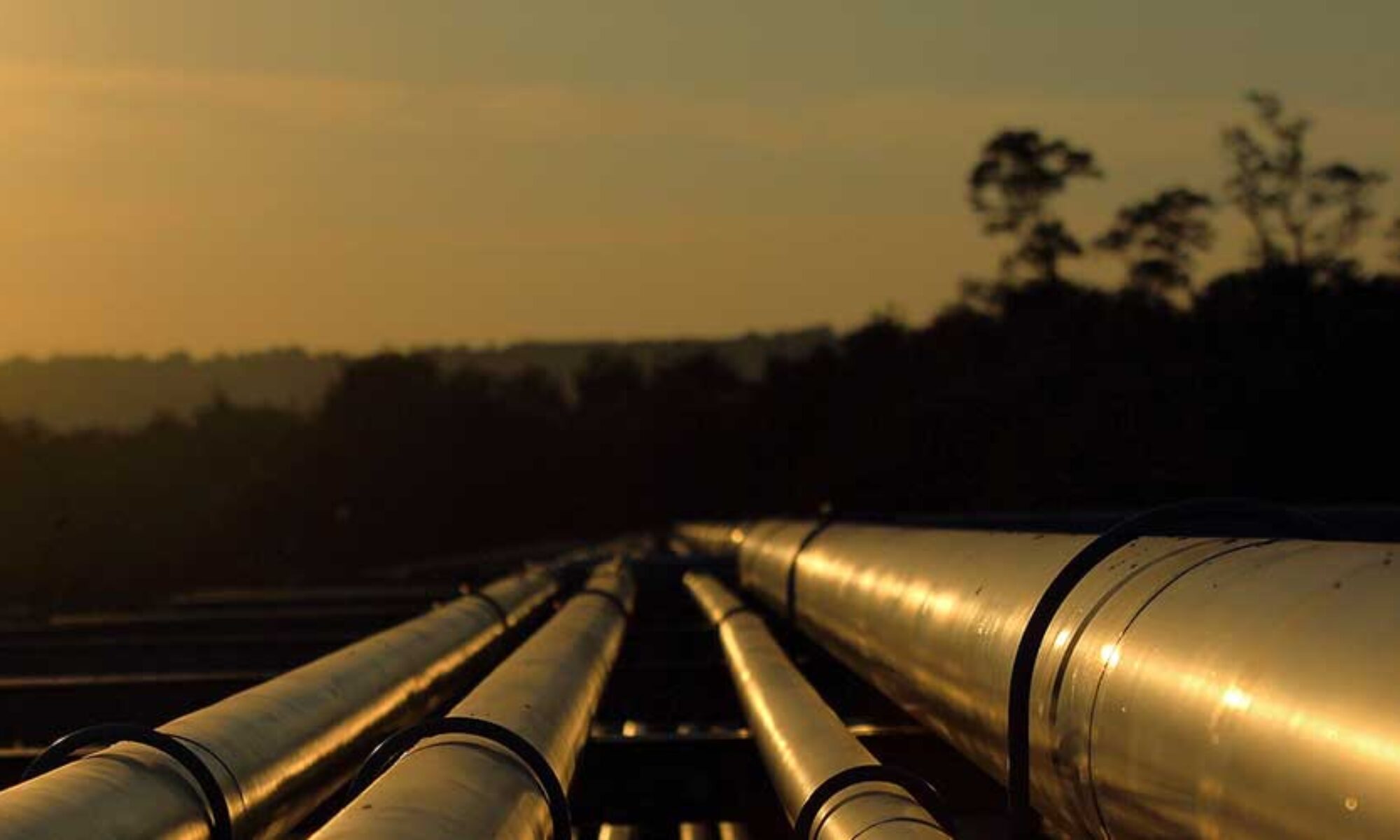
Natural gas processing plants contain miles of pipelines, valves, compressors, storage systems, and processing equipment. Over time, components can develop leaks due to corrosion, vibration, mechanical failure, aging equipment, or improper maintenance.
A professional gas leak detection program helps identify issues before they become dangerous incidents.
Key benefits include:
- Improved worker safety
- Reduced risk of fires and explosions
- Prevention of costly equipment failures
- Lower product losses
- Improved environmental compliance
- Increased operational reliability
Early detection allows plant operators to address problems quickly instead of reacting after a serious failure occurs.
The Safety Risks of Undetected Gas Leaks
Natural gas is highly combustible, and leaks in processing environments can create dangerous conditions. When gas accumulates in enclosed or poorly ventilated areas, even a small ignition source can result in a fire or explosion.
Potential hazards include:
- Employee exposure to unsafe gas concentrations
- Equipment damage
- Production shutdowns
- Emergency response situations
- Environmental releases
- Regulatory penalties
Professional leak detection provides facility operators with accurate information about where leaks exist and how serious they may be.
Common Sources of Natural Gas Leaks in Processing Facilities
Gas leaks can occur throughout a processing plant, including:
Pipelines and Connections
Pipeline connections, flanges, fittings, and joints are common areas where leaks may develop. Routine inspection helps identify issues caused by wear, pressure changes, or material deterioration.
Valves and Seals
Valves are essential for controlling gas flow but can become leak points due to damaged seals, corrosion, or mechanical wear.
Compressors and Processing Equipment
Compressors operate under intense pressure and vibration, making regular inspection important for detecting leaks before equipment failures occur.
Storage and Transfer Systems
Loading areas, tanks, and transfer equipment require monitoring to prevent accidental releases during storage and transportation operations.
Advanced Technology for Accurate Gas Leak Detection
Modern gas leak detection methods provide faster and more accurate results than traditional inspection techniques. Professional surveys may use advanced technologies such as:
Optical Gas Imaging (OGI)
Optical gas imaging cameras allow technicians to visualize invisible gas emissions and quickly identify leak locations. This technology is especially valuable for large processing facilities where traditional inspection methods may be time-consuming.
Infrared Detection
Infrared technology helps detect gas emissions by identifying temperature differences and gas signatures that may not be visible to the human eye.
Ultrasonic Leak Detection
Ultrasonic equipment can detect the high-frequency sounds created by pressurized gas escaping from equipment, helping locate leaks in difficult-to-access areas.
Portable Gas Monitoring Equipment
Handheld detection tools allow inspectors to measure gas concentrations and verify potential leak sources.
Benefits of Professional Gas Leak Surveys
A professional gas leak survey provides more than just leak identification. It gives facility managers valuable data to improve maintenance planning and operational efficiency.
Benefits include:
Reducing Energy Loss
Undetected leaks can result in significant product loss over time. Finding and repairing leaks helps facilities conserve valuable natural gas resources.
Improving Regulatory Compliance
Natural gas facilities must meet strict safety and environmental standards. Regular professional inspections support compliance efforts and demonstrate a commitment to responsible operations.
Preventing Unplanned Downtime
Equipment failures caused by leaks can lead to expensive shutdowns. Identifying issues early allows maintenance teams to schedule repairs before major disruptions occur.
Protecting the Environment
Reducing methane emissions is an important environmental goal. Leak detection programs help facilities minimize unnecessary releases and improve sustainability performance.
Why Choose Professional Gas Leak Detection Services?
While internal inspections are valuable, professional gas leak detection specialists bring specialized equipment, training, and experience needed for complex industrial environments.
Professional services provide:
- Experienced inspection technicians
- Advanced detection technology
- Detailed reporting and documentation
- Accurate leak location identification
- Recommendations for corrective action
A qualified inspection partner can help natural gas processing plants develop proactive maintenance strategies that improve safety and efficiency.
How Often Should Natural Gas Processing Plants Perform Leak Detection?
The frequency of gas leak inspections depends on factors such as:
- Facility size
- Equipment type
- Operating conditions
- Regulatory requirements
- Previous leak history
Many facilities benefit from routine monitoring combined with scheduled professional surveys to identify developing problems before they become serious hazards.
Strengthen Your Natural Gas Facility Safety Program
Gas leak detection is a vital part of maintaining a safe, reliable, and environmentally responsible natural gas processing plant. By identifying leaks early, facilities can protect employees, reduce operating costs, improve compliance, and prevent unexpected failures.
Professional gas leak detection services provide the expertise and technology needed to keep critical energy infrastructure operating safely.
Surveys & Analysis helps industrial facilities improve safety and reliability through professional inspection and detection solutions. Contact us today to learn how advanced gas leak detection services can support your facility’s safety goals.